Why the Cute Raccoon Vector is a Must-Have Design Asset
In the world of visual content, grabbing attention is half the battle. We’ve all scrolled past generic stock images, but something about a Cute Raccoon Animal Vector Illustration makes you stop. It’s not just a drawing of an animal; it’s a character. It possesses a mischievous charm, a playful innocence, and an instantly recognizable silhouette that cuts through the digital noise. For designers, entrepreneurs, and content creators, this specific type of illustration is more than just a cute picture—it’s a versatile tool for storytelling and branding. The appeal lies in its balance of whimsy and clarity, offering a friendly face that audiences of all ages instinctively connect with.
Visual Characteristics and Personality
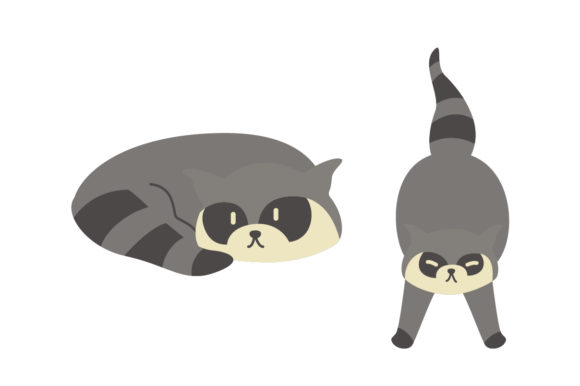
A well-crafted Cute Raccoon Animal Vector Illustration is defined by its exaggerated, friendly features. Think oversized, expressive eyes, a rounded body shape, and that iconic mask pattern simplified into clean, bold lines. The vector format means the lines are crisp and scalable, perfect for everything from a tiny favicon to a massive billboard without losing quality. The personality conveyed is typically one of curiosity, cleverness, and approachability. It avoids the realistic, sometimes pest-like reputation of actual raccoons, instead leaning into a stylized, almost cartoonish warmth. This makes it an ideal creative font alternative for visual branding—it communicates personality without saying a word. The illustration acts as a visual anchor, much like a strong display font does in typography, setting the tone for the entire project.
Strategic Applications Across Projects
Where does this illustration actually work? The short answer is: almost everywhere, provided it aligns with your brand’s voice. For small business owners and entrepreneurs, a Cute Raccoon Animal Vector Illustration can become the cornerstone of a memorable brand identity. Picture it as the mascot for a children’s bookstore, a pet supply shop, or a tech startup wanting to appear more user-friendly. In packaging design, it adds a layer of charm and shelf appeal, making products feel more personal and handcrafted.
For marketers and bloggers, this illustration is gold for social media graphics. It’s highly shareable and can break up text-heavy feeds, increasing engagement. Imagine using it as a recurring character in an Instagram story series or as a featured image that makes a blog post about “clever life hacks” instantly more clickable. In editorial design, such as magazines or newsletters, it can serve as a playful spot illustration, adding visual relief and guiding the reader’s eye. Even in web design, it can function as a custom icon set, a loading animation, or a welcoming figure on a 404 page, turning a moment of frustration into a delightful experience.
Influence on Brand Perception and Engagement
The strategic use of a Cute Raccoon Animal Vector Illustration directly influences how an audience perceives a brand. It softens corporate edges, making a company seem more approachable and human. This is crucial in an era where consumers crave authenticity. The illustration can enhance visual hierarchy by acting as a focal point that draws the eye to key information, like a call-to-action button or a special offer. It boosts brand recognition—a unique mascot is often more memorable than a generic sans serif font logo alone.
Consistency is key in branding. Using this illustration across multiple touchpoints—website, invoices, social media, and packaging—creates a cohesive brand identity that feels polished and professional. This consistency builds trust. Furthermore, the inherent cuteness triggers an emotional response, fostering a positive association with the brand. It’s a subtle but powerful form of audience engagement, making people smile and, by extension, feel more favorably toward the product or service being offered.
Practical Guidance for Implementation
Choosing the right Cute Raccoon Animal Vector Illustration requires a bit of discernment. First, evaluate the style. Does it match your existing modern typography and color palette? A highly detailed, textured illustration might clash with a minimalist, geometric premium font. Look for a style that complements your primary typeface, whether it’s a serif font, script font, or handwritten font.
Next, consider the file format and licensing. A true vector file (like .AI, .EPS, or .SVG) is non-negotiable for scalability. Check the commercial font and asset license carefully. Can you use it on merchandise? In client work? For digital ads? Ensure the license covers your intended use to avoid legal headaches down the line. When testing font pairings with the illustration, think about contrast and harmony. A playful handwritten font might pair well for a whimsical project, while a clean sans serif font could provide a nice balance for a more professional context.
Finally, test its readability and impact in context. Place it on your website mockup, your business card design, or your social media template. Does it overwhelm the text? Does it get lost? The goal is synergy, where the illustration and typography work together to create a seamless, engaging experience. By thoughtfully integrating a Cute Raccoon Animal Vector Illustration into your design assets, you’re not just adding a pretty picture—you’re investing in a versatile tool that can elevate your project’s personality, clarity, and connection with its audience.