Unleashing Creative Energy with the Catfish Animal Illustration
There is a distinct satisfaction in finding a design asset that balances raw, natural energy with modern digital precision. The Catfish Animal illustration is exactly that kind of resource. It captures the essence of a creature often overlooked in design, transforming the bottom-dwelling catfish into a versatile graphic element. For designers, entrepreneurs, and hobbyists ranging from ages 20 to 50, this asset offers more than just a picture of a fish; it provides a stylistic bridge between nature-inspired themes and clean, professional branding. Whether you are working on a logo design for a sustainable seafood restaurant or creating a rugged pattern for an apparel line, understanding the visual weight of this illustration is the first step toward a successful project.
The Visual Character of the Catfish Animal
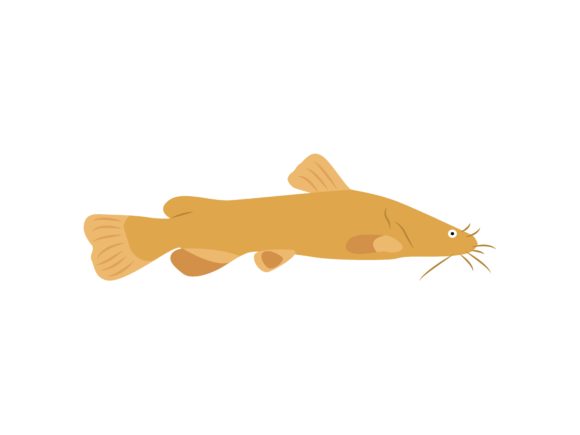
Visually, the Catfish Animal illustration is defined by its distinct anatomy—the iconic whiskers (barbels), the flattened head, and the streamlined, muscular body. In the context of modern typography and graphic design, these features translate into strong, organic lines that command attention. Unlike the sharp, rigid geometry of a sans-serif font, the catfish offers a sense of fluidity and adaptability. It embodies a grounded, resilient personality. This isn't a flashy, surface-level graphic; it suggests depth, patience, and strength.
When you integrate this illustration into your work, you are leveraging a style that feels authentic. It works exceptionally well as a counterpoint to clean serif fonts or bold display fonts. The texture of the illustration can add a tactile quality to digital assets, making a flat screen feel more like a printed poster or a physical sticker. For those in the apparel needed industry, the Catfish Animal provides a silhouette that is instantly recognizable yet open to interpretation, allowing for creative color blocking or intricate linework depending on the target demographic.
Practical Applications: From DIY to Commercial Branding
The true value of a design asset lies in its adaptability across different mediums. The Catfish Animal file package is structured for maximum utility, providing AI, EPS 10, JPG, and PNG file formats. This technical versatility is crucial for the modern creative workflow. Here is how you can apply this asset across various project types:
- Apparel and Textiles: Use the vector formats (AI/EPS) to scale the image for T-Shirt Printing. The organic shape of the catfish works beautifully for chest prints, sleeve placements, or large back graphics. It is perfect for fishing brands, outdoor lifestyle clothing, or edgy streetwear that utilizes animal motifs.
- Editorial and Publishing: For editorial design in magazines or blogs, the illustration can serve as a striking spot illustration or a recurring visual motif. It pairs well with handwritten fonts or script fonts for a personal, journal-like aesthetic in food blogs or travel publications.
- Stationery and Events: Planning a rustic wedding or a themed event? The Catfish Animal makes for a unique element on an Invitation Card. Combined with a sophisticated font pairing, it elevates a simple invite into a memorable piece of packaging design.
- Digital and Social Media: As an icon or avatar, the catfish is distinct enough to stand out in a crowded social media feed. It can be used in social media graphics to add personality to a brand's visual identity, particularly for businesses focusing on nature, food, or resilience.
Integrating with Typography and Layout
Choosing the right typography to accompany a Catfish Animal illustration is essential for maintaining visual hierarchy. Because the illustration has a lot of organic movement, it often benefits from being grounded by structured type. A clean sans serif font can create a modern, high-contrast look that feels fresh and professional. Conversely, if you are aiming for a vintage or artisanal vibe, pairing the illustration with a distressed premium font can enhance the storytelling aspect of your brand identity.
Consider the negative space within the illustration. The area between the fins and the body can sometimes be utilized to nest text, though this requires careful kerning and leading. More practically, treat the Catfish Animal as a standalone element that sits adjacent to your text blocks. This prevents the layout from feeling cluttered and ensures that your creative font choices remain legible. When used in web design, ensure the file is optimized; while the PNG format is great for transparency, the vector files allow for responsive scaling without pixelation.
Strategic Asset Management for Creators
For the entrepreneur or small business owner, purchasing and utilizing design assets effectively is a matter of efficiency. Having access to AI, EPS 10, JPG, and PNG file formats means you are not restricted to a single platform. You can open the vector files in Adobe Illustrator to change colors to match your specific brand identity palette, or use the JPG for quick mockups in presentations.
This animal illustration is ideal for DIY printing. If you run a small Etsy shop or a local craft business, you can print this onto transfer paper for tote bags, mugs, or stickers. The high resolution ensures that the details of the scales and whiskers remain sharp, even on smaller surfaces like stickers or buttons. It is a practical investment that solves multiple design needs, reducing the need to source separate graphics for different projects.
Evaluating Fit and Consistency
Before finalizing your design, evaluate how the Catfish Animal fits within your broader visual ecosystem. Does the style of the illustration align with the other design assets you use? If your brand relies heavily on geometric shapes and neon colors, you might need to stylize the catfish significantly. If your brand is more organic and earthy, the natural form of the catfish will blend seamlessly.
Consistency is key in visual hierarchy. If you use the catfish as a primary mascot, ensure that its presence is balanced with your typography. Do not let the illustration overpower the message unless the image *is* the message. For example, in a poster where the catfish is the hero image, keep the text minimal and bold. In a text-heavy brochure, use the illustration as a small watermark or a footer element to maintain visual interest without distraction.
Ultimately, the Catfish Animal illustration is a robust, versatile asset. It appeals to the creator who values authenticity and isn't afraid to step away from generic clip art. By pairing it with thoughtful typography and high-quality production methods, you can transform this simple graphic into a cornerstone of your next creative project.