The Tiger Sitting Animal: A Playful Asset for Your Creative Projects
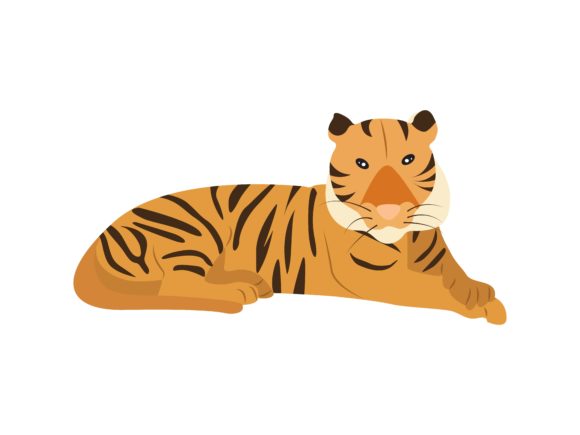
When you need a visual element that communicates strength, playfulness, and a touch of the exotic, finding the right graphic can be a challenge. The Tiger Sitting Animal illustration is a versatile design asset created to meet that need. It’s more than just a picture of a big cat; it’s a character. Depicted in a calm, seated pose, this tiger illustration balances the animal's natural power with an approachable, almost friendly demeanor. Its visual style is clean and modern, with defined lines and a confident posture that makes it suitable for a wide range of applications, from educational materials to commercial branding.
Visual Character and Design Appeal
The core appeal of this sitting tiger lies in its dual nature. It retains the iconic stripes and majestic form of a tiger, conveying authority and wildness. Yet, the seated position and the often-neutral or slightly curious expression soften its intensity. This makes the illustration feel less like a fearsome predator and more like a guardian or a charismatic mascot. The style is typically rendered in a way that works well as a display font or a central icon—it’s bold enough to command attention but clear enough to be recognizable at smaller sizes, like on a sticker or as part of a pattern.
This balance is crucial for brand identity. A brand that wants to project confidence without intimidation, or nature-inspired themes without being overly rustic, can find a strong ally in this graphic. It’s a premium font equivalent in the illustration world—thoughtfully crafted to serve multiple purposes. The simplicity of the lines ensures it scales well, making it a reliable component in your toolkit of design assets.
Practical Applications Across Industries
For designers, entrepreneurs, and content creators, the real value of an asset like the Tiger Sitting Animal is in its application. This isn't a single-use graphic. Its versatility is its greatest strength. Consider these practical uses:
- Logo Design & Branding: Use the tiger as the cornerstone of a logo for a sports team, a children’s brand, a fitness app, or an outdoor adventure company. Its strong silhouette ensures high recognition.
- Packaging & Product Design: It can add a distinctive mark to product packaging, from gourmet food labels to toy boxes. On apparel, it works brilliantly as a central T-Shirt Printing graphic or a subtle sleeve emblem.
- Editorial & Web Design: In editorial design, the illustration can break up text-heavy pages in magazines or blogs. As a web element, it can serve as a unique loading icon, a favicon, or a featured image that grabs attention on social media.
- Personal & DIY Projects: The included Ai, EPS 10, JPG, and PNG file formats make it perfect for personal use. Create custom invitation card elements, party decorations, classroom posters, or personalized stickers. Crafters can use it for scrapbooking, vinyl decals, and embroidery patterns.
The key is to match the illustration’s personality with your project’s tone. For a professional corporate report, it might be too casual. But for a startup’s pitch deck, a community event, or a lifestyle brand’s social media graphics, it can inject energy and character that a stock photo cannot.
Integrating the Asset: From Font Pairing to Final Output
Working with a graphic like this requires the same strategic thinking as choosing a typeface. You need to consider its role in the overall visual hierarchy. Will it be the main focal point or a supporting element?
Evaluating Fit and Pairing: The tiger’s modern, slightly playful style pairs well with clean, contemporary sans serif fonts. Think of typefaces like Montserrat, Poppins, or Avenir. For a more dynamic contrast, you could pair it with a bold serif font like Playfair Display for headlines, letting the illustration anchor the design. Avoid overly ornate script fonts or handwritten fonts that might clash with the illustration’s confident lines unless you’re aiming for a very specific, eclectic look.
Testing and Refinement: Always test the illustration in context. Place it next to your chosen text, in your brand’s color palette, and at the intended scale. Does it maintain its clarity as a small icon on a website header? Does it hold its detail when printed large on a poster? The provided vector formats (AI, EPS) allow you to easily edit colors and resize without quality loss, which is essential for maintaining a consistent brand identity across all touchpoints.
Licensing for Commercial Use: Before using the Tiger Sitting Animal in any commercial project—whether for a client or your own business—it’s imperative to understand the licensing terms. Verify that the license covers your intended use, such as merchandise for sale (T-shirts, mugs) or digital products. Most quality assets come with clear guidelines, ensuring you can use them professionally without legal concerns.
Ultimately, the Tiger Sitting Animal is more than a decorative element. It’s a communicative tool. It can tell a story of resilience, agility, or playful strength. By thoughtfully integrating it into your designs, you leverage its inherent personality to create more engaging, memorable, and effective visual communications for your audience.